Astronomy · Arabic astronomy
Arabic astronomy
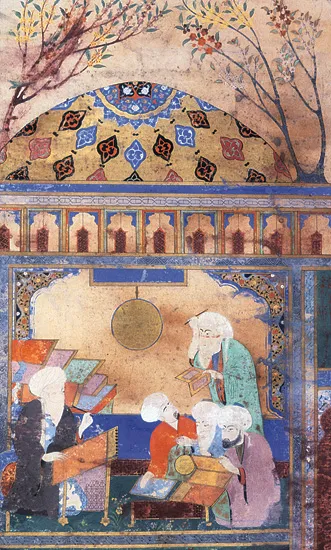
From the ninth century on, astronomers in Baghdad, Cairo, Toledo, Marāgha, Samarqand and Istanbul wrote about the sky in Arabic, and later also in Persian. They translated and corrected Ptolemy, made new observations, built instruments and observatories, and gave many stars the names that are still on star maps today.
The Islamic calendar
The Islamic calendar follows the Moon. Our calendar pages show the months of 1448 and 1449 AH, convert dates, and map where the new crescent can be seen after each new moon.
Today
Monday, November 16, 2026
- Umm al-Qura calendar
- 6 Jumada al-Akhirah 1448 AH
- Tabular calendar
- 5 Jumada al-Akhirah 1448 AH
For today’s date where you are. An Islamic day begins at sunset, so after sunset the next Hijri day has already begun.
Eleven astronomers
Dates, places and works follow The Biographical Encyclopedia of Astronomers (Springer, 2007). McGill University makes its articles on these astronomers available in full on its website.
| Astronomer | Dates | Where | Known for |
|---|---|---|---|
| al-Khwārizmī | c. 780 – c. 850 | Baghdad | An astronomical handbook with tables after the Indian Sindhind; it survives in a Latin translation, not in Arabic. |
| al-Battānī | before 858 – 929 | Ḥarrān; Raqqa | Observations from 877 to 918 and a handbook (zīj) that was printed in Latin in Nuremberg in 1537. |
| al-Farghānī | 9th century | Baghdad | A widely read summary of Ptolemy’s Almagest, written between 833 and 857. |
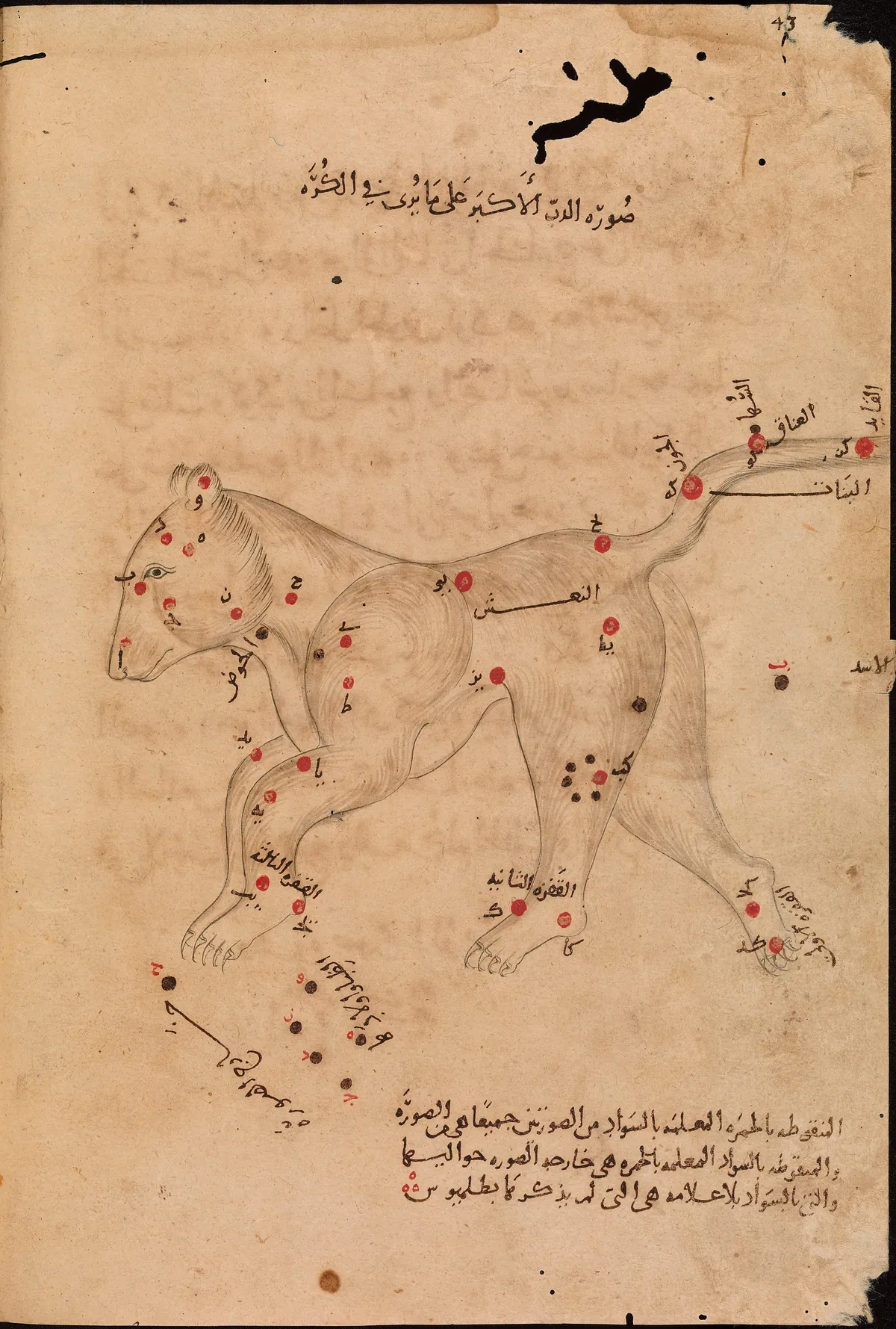
| al-Ṣūfī | 903 – 986 | Rayy (Iran) | The Book on the Constellations (c. 964): Ptolemy’s 48 constellations, described and drawn. |
| al-Bīrūnī | 973 – c. 1050 | Khwārazm; Ghazna | al-Qānūn al-Masʿūdī, a large work on astronomy in eleven treatises. |
| Ibn Yūnus | died 1009 | Egypt | The Ḥākimī Zīj, which begins with a list of observations; fragments survive in Leiden, Oxford and Paris. |
| al-Zarqālī | died 1100 | Toledo; Córdoba | He made instruments in Toledo and designed a plate that allows a single astrolabe to be used at every latitude. |
| Naṣīr al-Dīn al-Ṭūsī | 1201 – 1274 | Ṭūs; Marāgha | First director of the observatory at Marāgha; the “Ṭūsī couple”, two circles that turn circular motion into motion along a line. |
| Ibn al-Shāṭir | c. 1305 – c. 1375 | Damascus | Planetary models that, apart from being centered on the Earth, are mathematically the same as several used by Copernicus. |
| Ulugh Beg | 1394 – 1449 | Samarqand | An observatory with a sextant of 40 meters radius, and a star catalogue. |
| Taqī al-Dīn | 1526 – 1585 | Damascus; Istanbul | Founder and director of the Istanbul observatory, which the state demolished on January 22, 1580. |


Star names from Arabic
Many bright stars have names that came into Latin from Arabic in the Middle Ages. Some go back to old Arabian names for stars and star groups; others are Arabic descriptions of where a star sits in one of Ptolemy’s figures, such as “the foot of the giant” or “the tail of the lion”.
The meanings below follow the standard works by Paul Kunitzsch, as cited in our research notes and in reference works that quote him. We have not been able to check every entry in his books ourselves, so read them as the usual explanation, not as our own finding.

| Star | Arabic | Transliteration | Usual meaning | Constellation |
|---|---|---|---|---|
| Aldebaran | الدبران | al-dabarān | the follower (of the Pleiades) | Taurus |
| Betelgeuse | يد الجوزاء | yad al-jawzāʾ | the hand of al-Jawzāʾ (Orion) | Orion |
| Rigel | رجل الجوزاء | rijl al-jawzāʾ | the foot of al-Jawzāʾ | Orion |
| Altair | النسر الطائر | al-nasr al-ṭāʾir | the flying eagle (or vulture) | Aquila |
| Vega | النسر الواقع | al-nasr al-wāqiʿ | the swooping eagle (or vulture) | Lyra |
| Deneb | ذنب الدجاجة | dhanab al-dajāja | the tail of the hen | Cygnus |
| Algol | رأس الغول | raʾs al-ghūl | the head of the demon | Perseus |
| Fomalhaut | فم الحوت | fam al-ḥūt | the mouth of the fish | Piscis Austrinus |
| Achernar | آخر النهر | ākhir al-nahr | the end of the river | Eridanus |
| Denebola | ذنب الأسد | dhanab al-asad | the tail of the lion | Leo |
Betelgeuse shows how names changed on the way. Kunitzsch traced the first letter to a misreading in medieval Latin tables: the Arabic letter yāʾ was read as bāʾ, which gave “Bedalgeuze”. The later explanation as ibṭ al-jawzāʾ, “the armpit”, is a Renaissance guess.
The 28 lunar mansions
In about 27⅓ days the Moon passes once around the sky. Arabic tradition divides its path into 28 lunar mansions (manāzil al-qamar), each marked by a star or a small group of stars near the ecliptic. Older Arabian star lore also followed the stars that rise and set at dawn through the year (the anwāʾ); Ibn Qutayba collected that knowledge in the ninth century.
The list below gives the names and the usual identification of the stars. It follows our research notes, which cite Ibn Qutayba’s book of the anwāʾ (edition 1956) and Paul Kunitzsch’s article on lunar mansions in Islam. We have not checked each identification in those books ourselves; authors do not always agree on the stars of a mansion.

| No. | Arabic | Transliteration | Usual meaning | Usual stars |
|---|---|---|---|---|
| 1 | الشرطان | al-sharaṭān | the two signs | β and γ Arietis |
| 2 | البطين | al-buṭayn | the little belly | δ, ε and ρ Arietis |
| 3 | الثريا | al-thurayyā | the Pleiades | the Pleiades |
| 4 | الدبران | al-dabarān | the follower | Aldebaran and the Hyades |
| 5 | الهقعة | al-haqʿa | the white spot | λ and φ Orionis |
| 6 | الهنعة | al-hanʿa | the brand | γ and ξ Geminorum |
| 7 | الذراع | al-dhirāʿ | the forearm | Castor and Pollux |
| 8 | النثرة | al-nathra | the tip of the nose | the Beehive cluster and nearby stars in Cancer |
| 9 | الطرف | al-ṭarf | the glance | κ Cancri and λ Leonis |
| 10 | الجبهة | al-jabha | the forehead | ζ, γ, η and α Leonis |
| 11 | الزبرة | al-zubra | the mane | δ and θ Leonis |
| 12 | الصرفة | al-ṣarfa | the changer | Denebola |
| 13 | العواء | al-ʿawwāʾ | the barker | β, η, γ, δ and ε Virginis |
| 14 | السماك | al-simāk | the uplifted one | Spica |
| 15 | الغفر | al-ghafr | the covering | ι, κ and λ Virginis |
| 16 | الزبانى | al-zubānā | the claws | α and β Librae |
| 17 | الإكليل | al-iklīl | the crown | β, δ and π Scorpii |
| 18 | القلب | al-qalb | the heart | Antares |
| 19 | الشولة | al-shawla | the sting | λ and υ Scorpii |
| 20 | النعائم | al-naʿāʾim | the ostriches | stars of Sagittarius |
| 21 | البلدة | al-balda | the empty place | an area with few stars near π Sagittarii |
| 22 | سعد الذابح | saʿd al-dhābiḥ | the fortune of the slaughterer | α and β Capricorni |
| 23 | سعد بلع | saʿd bulaʿ | the fortune of the swallower | μ and ε Aquarii |
| 24 | سعد السعود | saʿd al-suʿūd | the fortune of fortunes | β and ξ Aquarii |
| 25 | سعد الأخبية | saʿd al-akhbiya | the fortune of the tents | γ, π, ζ and η Aquarii |
| 26 | الفرغ المقدم | al-fargh al-muqaddam | the front spout | α and β Pegasi |
| 27 | الفرغ المؤخر | al-fargh al-muʾakhkhar | the rear spout | γ Pegasi and α Andromedae |
| 28 | الرشاء | al-rishāʾ | the rope (also called baṭn al-ḥūt, the belly of the fish) | β Andromedae and nearby stars |
Instruments and observatories
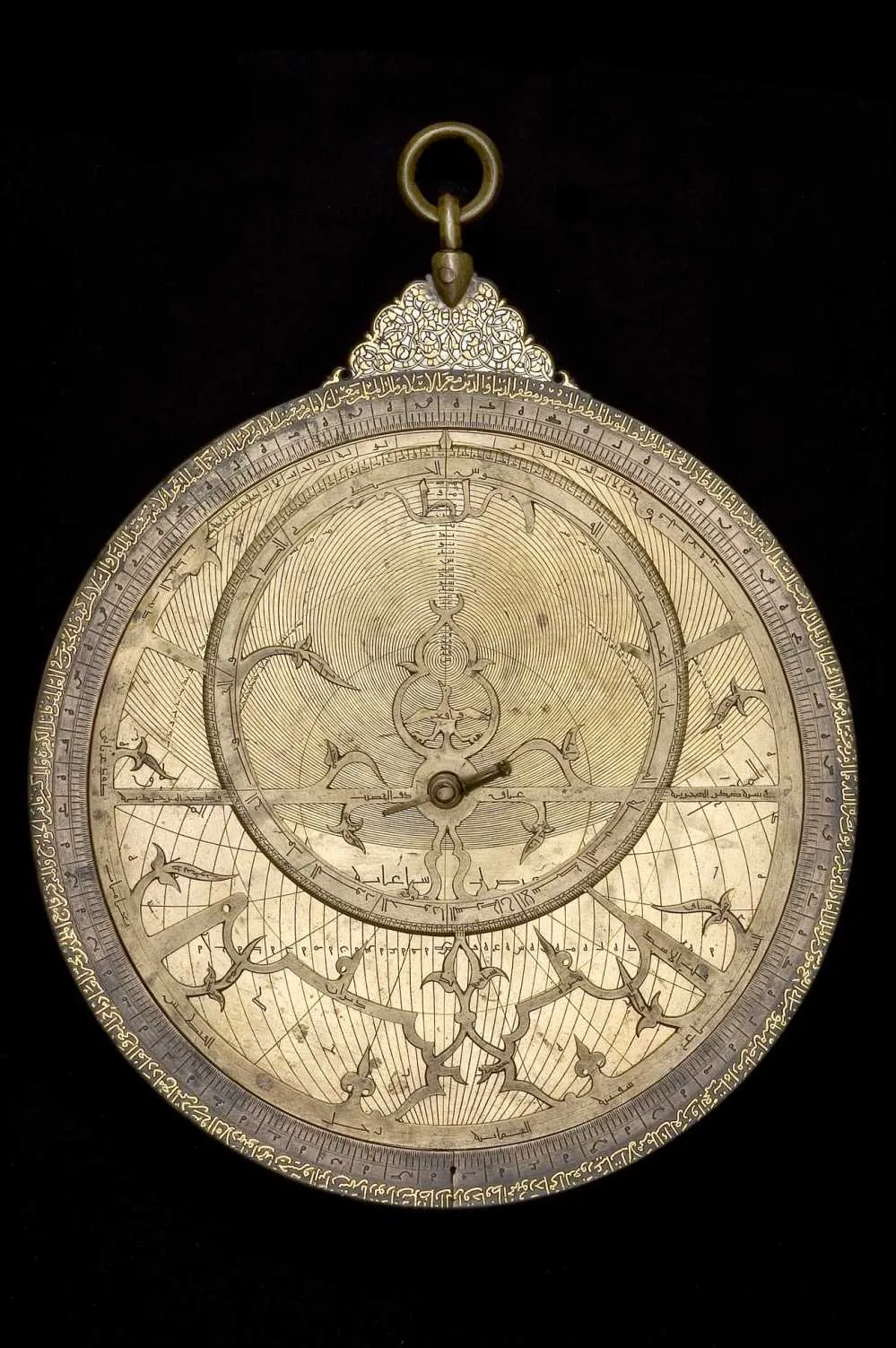
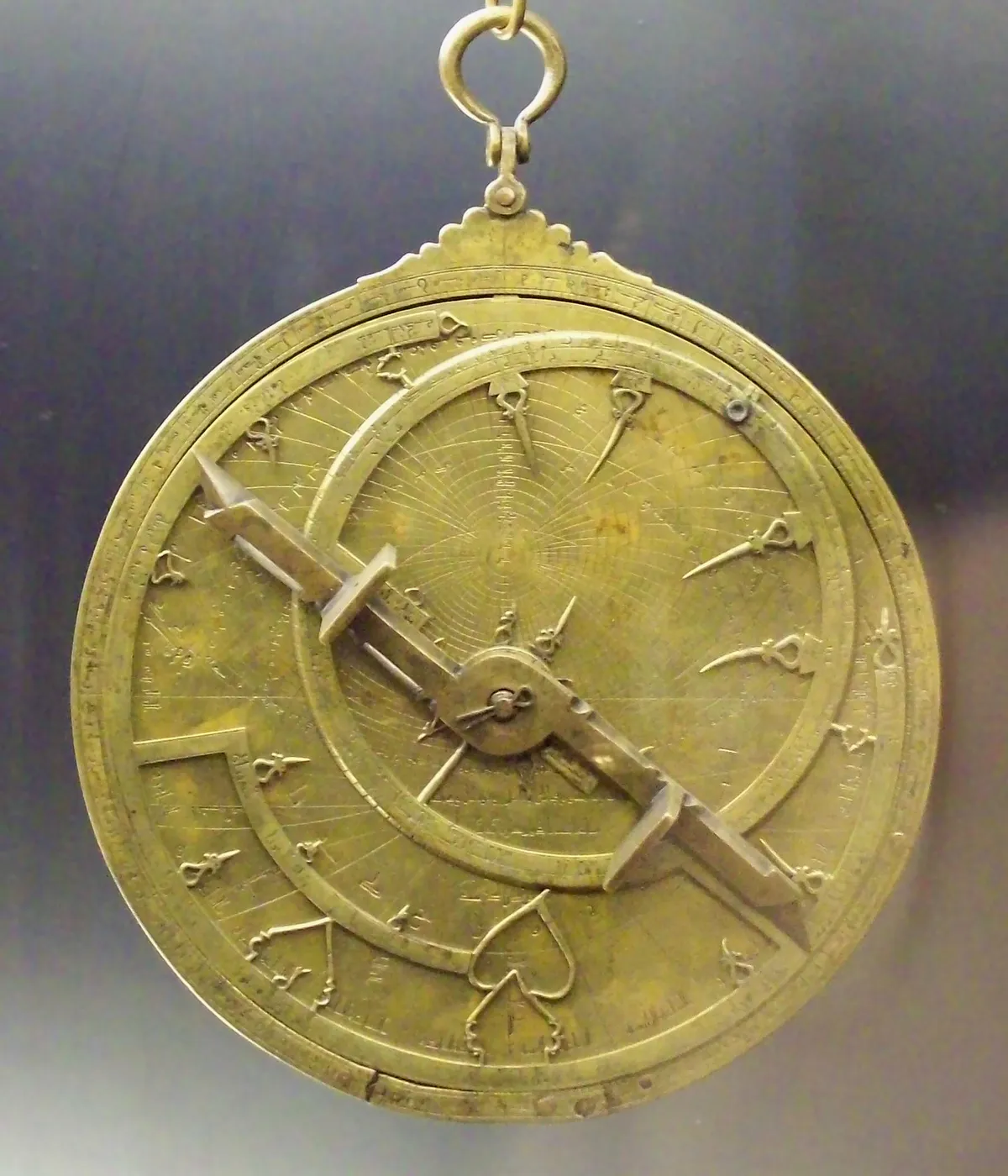
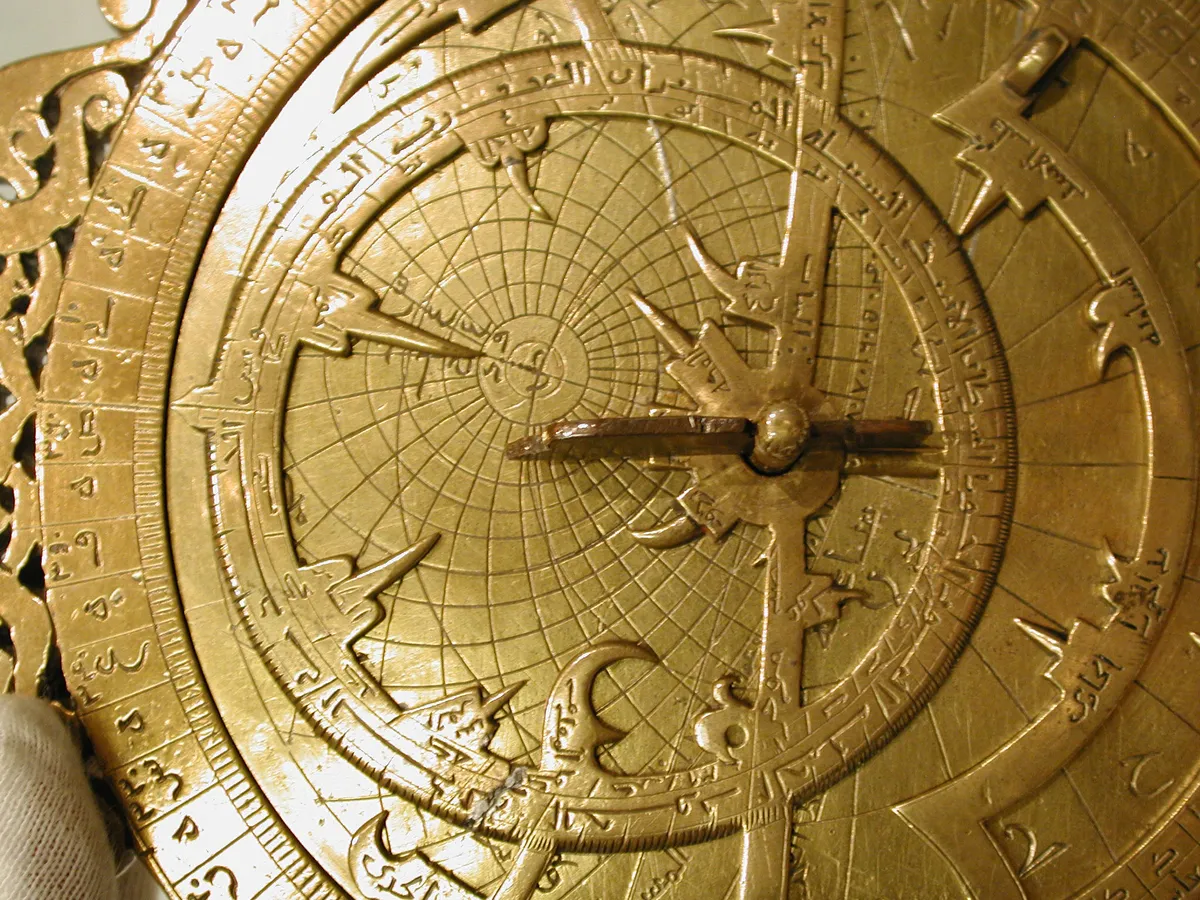
The astrolabe, a flat model of the sky with a rotating star map, came from Greek models and was developed further in the Islamic world. A fine example in the British Museum (1855,0709.1) is signed by ʿAbd al-Karīm and dated AH 638, which is 1240/41. In Toledo, al-Zarqālī designed a plate that made one astrolabe usable at every latitude.
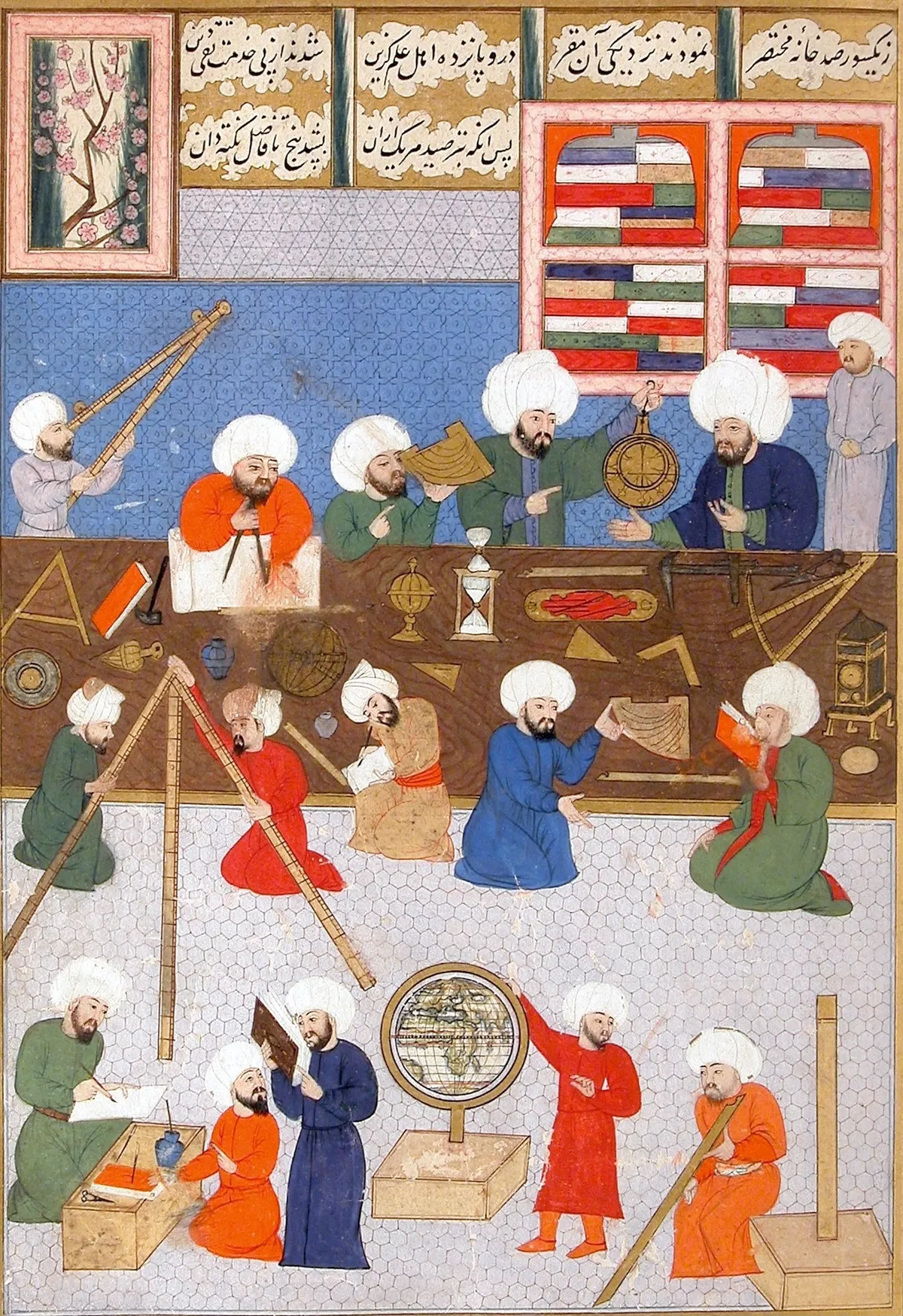
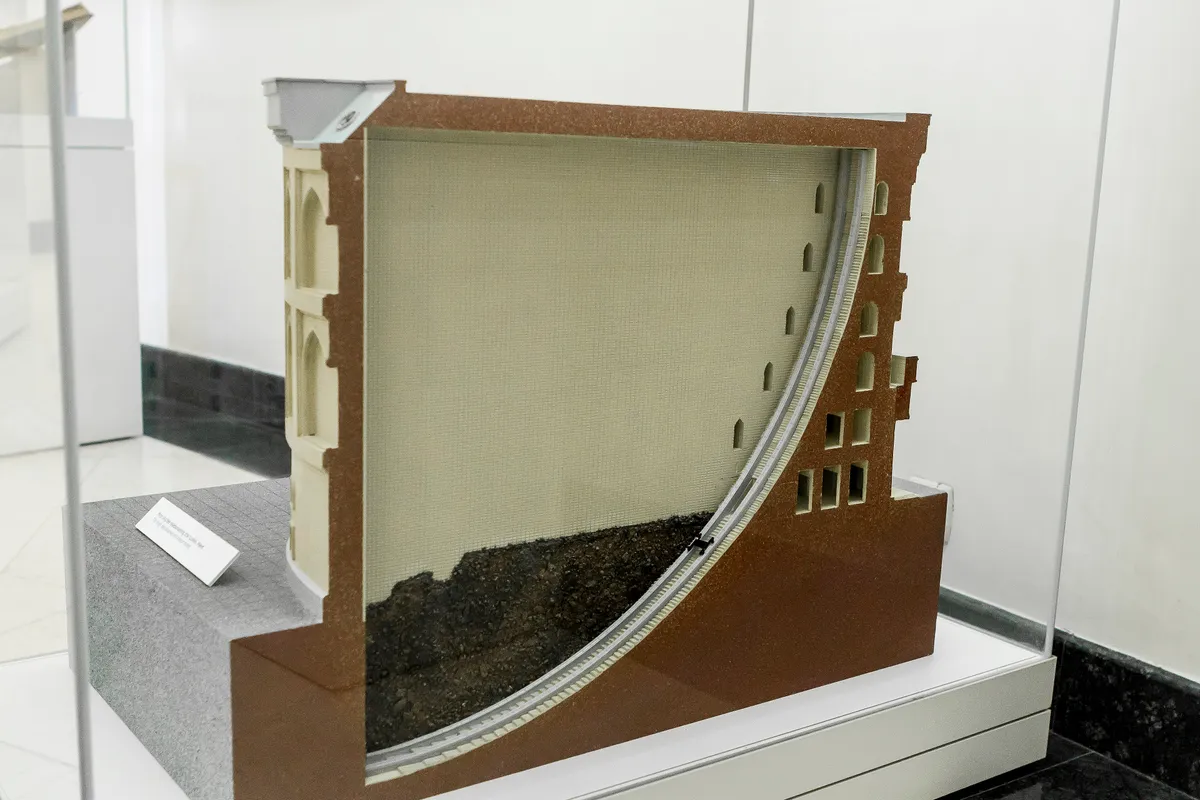
Observatories became institutions. Naṣīr al-Dīn al-Ṭūsī oversaw the building of the observatory at Marāgha, in northwestern Iran, with its instruments, a library and a school. In Samarqand, Ulugh Beg’s observatory had a sextant with a radius of 40 meters, partly set into the ground. Taqī al-Dīn’s observatory in Istanbul was demolished by the state on January 22, 1580.



From Arabic into Latin
In the twelfth century, scholars in Spain and Italy translated Arabic astronomy into Latin. John of Seville translated al-Farghānī’s summary of the Almagest around 1135; Gerard of Cremona translated it again before 1175, the year in which he finished his Latin Almagest. Plato of Tivoli translated al-Battānī in Barcelona; that translation was printed in Nuremberg in 1537, together with al-Farghānī.
Some of the planetary models of Ibn al-Shāṭir in fourteenth-century Damascus are, apart from their center, mathematically the same as models that Copernicus used two centuries later. Whether Copernicus knew of them, and how, is still debated.
Two books from one Amsterdam publishing house
In 1660 the Amsterdam publisher Joannes Janssonius brought out the Harmonia Macrocosmica of Andreas Cellarius, a rector in Hoorn: the richly engraved atlas of the heavens after which this site is named.
Janssonius was buried on July 11, 1664. His daughter Elizabeth had married the publisher Johannes van Waesberghe in 1647. Van Waesberghe took over stock of Janssonius’s business and went on as Johannes Janssonius van Waesberge, adding his father-in-law’s name to his own.
Under that name, together with the widow of Elizeus Weyerstraet, he published in 1669 the Arabic text of al-Farghānī’s summary of the Almagest, with a new Latin translation and notes by Jacobus Golius (1596–1667), professor of Arabic at Leiden from 1625 and also of mathematics from 1629, who had died before it appeared. Within nine years, the same Amsterdam house printed a Dutch atlas of the heavens and a ninth-century Arabic textbook of astronomy.
What we don’t know
- The meanings and origins of many star names and lunar mansions rest on Paul Kunitzsch’s books and on Ibn Qutayba, which are not online; we have not checked every entry in them ourselves.
- Which stars belong to some lunar mansions differs between authors.
- Whether Copernicus knew the models of Ibn al-Shāṭir or of the Marāgha astronomers, and how, has not been settled.
- How the Janssonius business was divided after 1664: Frederik de Wit also took over stock, and we do not know which parts went to whom.
Sources
- Thomas Hockey et al. (eds.), The Biographical Encyclopedia of Astronomers (New York: Springer, 2007), the articles on al-Khwārizmī (S. Brentjes), al-Battānī (B. van Dalen), al-Farghānī (G. DeYoung), al-Ṣūfī (P. Kunitzsch), al-Bīrūnī (M. Yano), Ibn Yūnus (D. A. King), al-Zarqālī (R. Puig), al-Ṭūsī (F. J. Ragep), Ibn al-Shāṭir (D. A. King), Ulugh Beg (B. van Dalen) and Taqī al-Dīn (İ. Fazlıoğlu); full text at islamsci.mcgill.ca/RASI/BEA. islamsci.mcgill.ca
- Paul Kunitzsch and Tim Smart, A Dictionary of Modern Star Names (Cambridge, MA: Sky Publishing, 2006); Paul Kunitzsch, Arabische Sternnamen in Europa (Wiesbaden: Harrassowitz, 1959), pp. 150–151 on Betelgeuse (cited from Merriam-Webster). Not checked by us in the books themselves.
- Ibn Qutayba, Kitāb al-Anwāʾ, ed. M. Hamidullah and C. Pellat (Hyderabad, 1956); Paul Kunitzsch, “Lunar Mansions in Islam,” in H. Selin (ed.), Encyclopaedia of the History of Science, Technology, and Medicine in Non-Western Cultures (Springer, 2008), pp. 1242–1243. Not checked by us in the books themselves.
- British Museum, collection online, astrolabe 1855,0709.1. britishmuseum.org
- ECARTICO (University of Amsterdam), the records of Joannes Janssonius (persons/11204) and Johannes Janssonius van Waesberghe I (persons/11197). ecartico.org · ecartico.org
- Al-Farghānī, Elementa astronomica, Arabic and Latin, ed. Jacobus Golius (Amsterdam: Johannes Janssonius van Waesberge and the widow of Elizeus Weyerstraet, 1669), catalogue record of the Qatar National Library. ediscovery.qnl.qa
- J. J. O’Connor and E. F. Robertson, “Jacobus Golius,” MacTutor History of Mathematics Archive, University of St Andrews (2015); F. J. Dijksterhuis, “The Mutual Making of Sciences and Humanities: Willebrord Snellius, Jacob Golius, and the Early Modern Entanglement of Mathematics and Philology,” in R. Bod, J. Maat and T. Weststeijn (eds.), The Making of the Humanities, vol. 2 (Amsterdam University Press, 2012), pp. 73–92. mathshistory.st-andrews.ac.uk · doi.org
- Andreas Cellarius, Harmonia Macrocosmica (Amsterdam: Joannes Janssonius, 1660).