Arabic astronomy · Islamic calendar
Moon sighting: Shaban 1449 AH
Maps of where the new crescent of Shaban can be seen, on the evening of the conjunction and the two evenings after it.
Astronomical new moon (conjunction): 27 December 2027 at 20:12 UTC. Expected start of Shaban in the Umm al-Qura calendar: Wednesday, 29 December 2027. Start in the tabular calendar: Thursday, 30 December 2027.
These dates are calculated. The start of a month is decided by religious authorities, nationally or locally, often after the new crescent has been seen. Where you live, a month may begin a day later than shown here, and occasionally a day earlier.
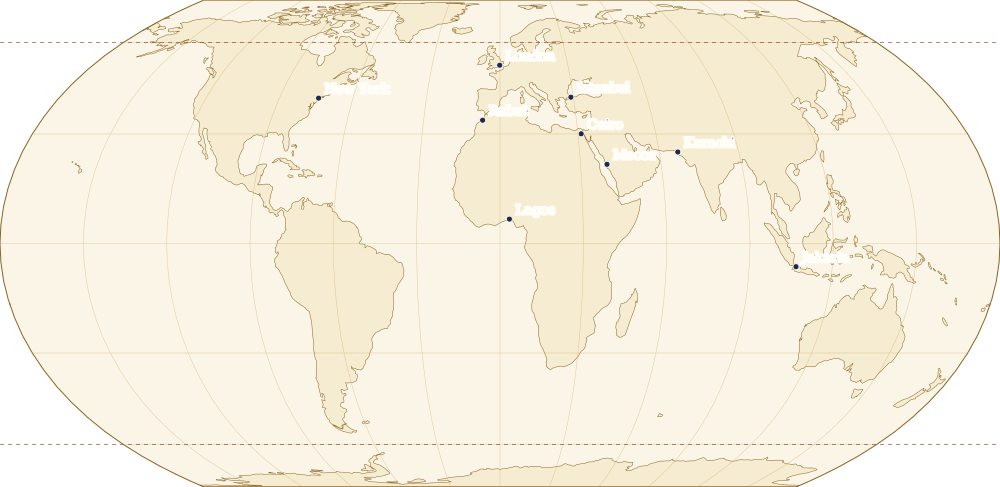
- Visible to the naked eye
- Visible with optical aid, and possibly to the naked eye
- Visible with optical aid only
- Not visible, even with optical aid
- Not calculated (beyond 60° latitude)
On this evening the crescent cannot be seen anywhere on the map.
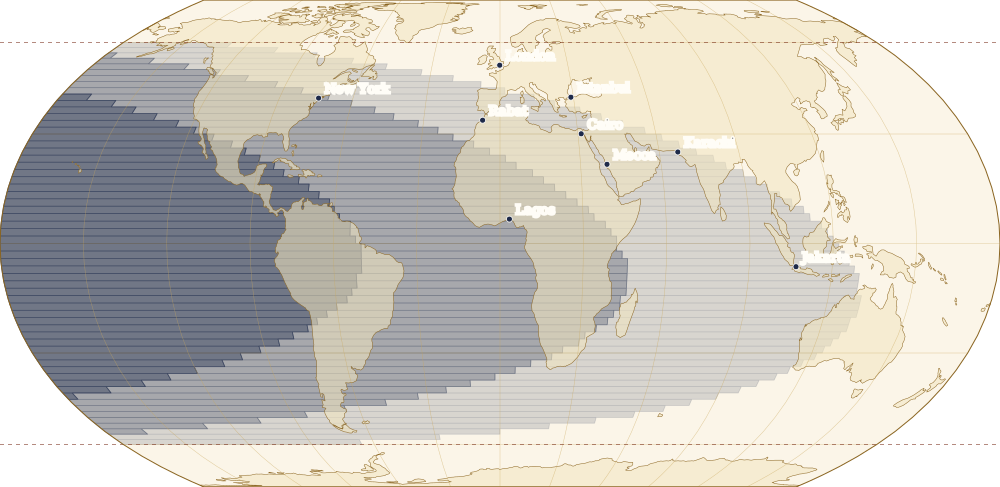
- Visible to the naked eye
- Visible with optical aid, and possibly to the naked eye
- Visible with optical aid only
- Not visible, even with optical aid
- Not calculated (beyond 60° latitude)
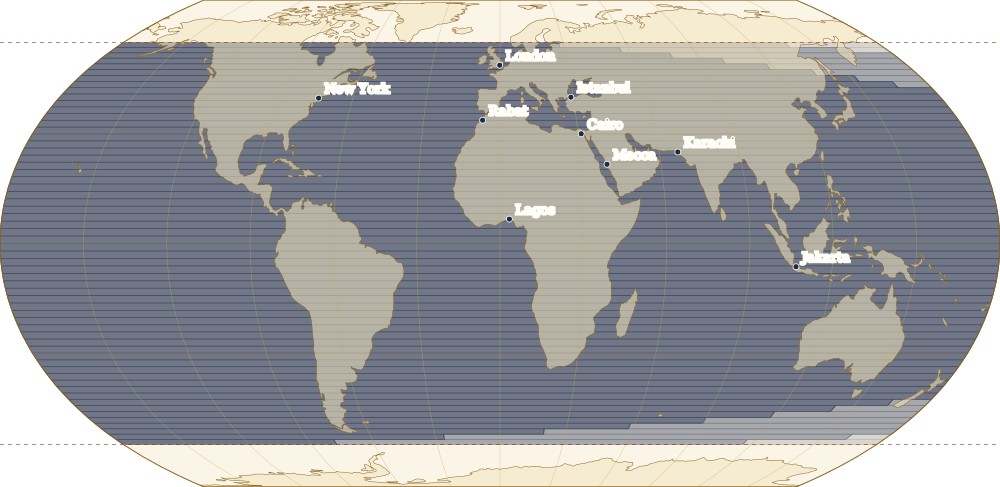
- Visible to the naked eye
- Visible with optical aid, and possibly to the naked eye
- Visible with optical aid only
- Not visible, even with optical aid
- Not calculated (beyond 60° latitude)
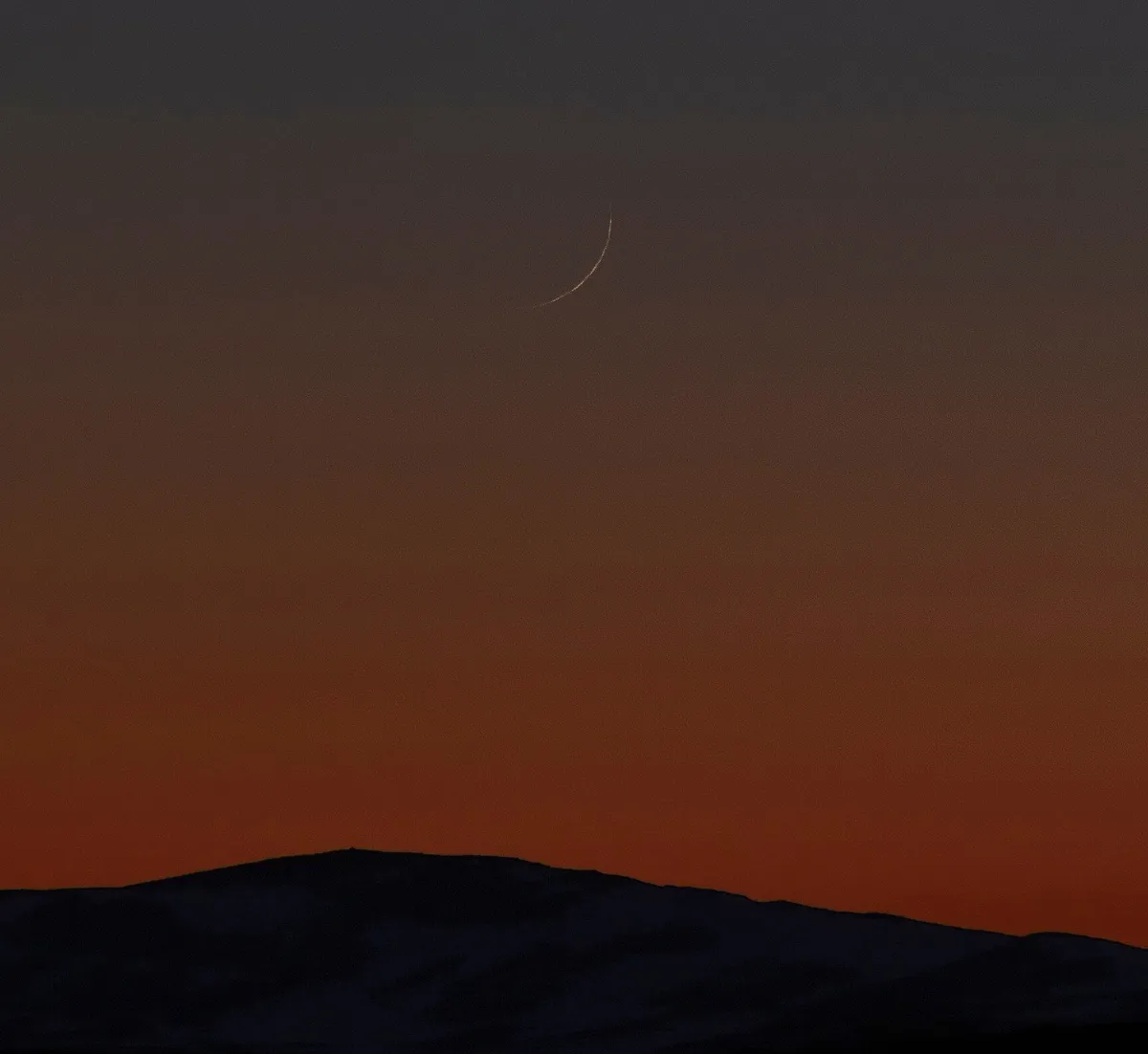

How these maps are calculated, and how we checked them
Sources
- Mohammad Sh. Odeh, ‘New Criterion for Lunar Crescent Visibility,’ Experimental Astronomy 18 (2004): 39–64, doi:10.1007/s10686-005-9002-5. doi.org
- Robert H. van Gent, ‘The Umm al-Qura Calendar of Saudi Arabia,’ Utrecht University, webspace.science.uu.nl/~gent0113/islam/ummalqura.htm (consulted 13 November 2026). webspace.science.uu.nl
- Positions of the Sun and Moon: Astronomy Engine by Don Cross (MIT License), checked against a second calculation with Skyfield and the JPL DE440 ephemeris. github.com · rhodesmill.org
- Coastlines: Natural Earth (public domain). naturalearthdata.com